


Article
Car service in Katoomba
A1 Precision Automotive (MVRL31221) has established a reputation for quality workmanship and reliable car service in Katoomba
Read moreYour tyres are the only point of contact between your vehicle and the road, so keeping them in good condition is essential for safety, performance, and fuel efficiency. One of the most important things you can check regularly is your tyre tread depth. Worn tyres can reduce grip, increase stopping distances, and make driving in wet conditions dangerous.

At A1 Precision Automotive , we’re committed to helping you stay safe on the road. Here’s a simple guide on how to check your tyre tread and when it’s time for a replacement.
Tyre tread plays a critical role in maintaining traction, especially in wet conditions. The grooves in your tyres are designed to channel water away from the contact patch, reducing the risk of aquaplaning.
When your tread becomes too shallow:
In Australia, the legal minimum tread depth is 1.5mm, but safety experts recommend replacing tyres well before reaching this limit.

Most modern tyres have built-in tread wear indicators. These are small raised bars located within the grooves of the tyre. How to check:

This is a quick and easy method you can do at home. Steps:
It’s not as precise as a gauge, but it’s a good quick check.
For the most accurate reading, use a tread depth gauge. How to use:
If your tread is getting close to 2–3mm, it’s time to start planning a replacement.
Make sure you inspect:
Uneven tread wear can be a sign of underlying mechanical problems, which should be addressed early to avoid bigger repair costs.
In addition to low tread depth, look out for:
If you notice any of these, it’s best to have your tyres inspected by a professional.
Checking your tyre tread only takes a few minutes but can make a big difference in your safety on the road. Regular inspections also help extend the life of your tyres and improve your vehicle’s overall performance.
If you’re unsure about your tyre condition, the team at A1 Precision Automotive is here to help.
Need your tyres checked or replaced? Use our convenient online quote form at to get fast, reliable advice and pricing.
How often should I check my tyre tread?
It’s recommended to check your tyres at least once a month and before long trips.
What is the legal tread depth in Australia?
The minimum legal tread depth is 1.5mm across the entire tyre.
Can I drive with uneven tyre wear?
Uneven wear can indicate issues like poor alignment or suspension problems. It’s best to have it inspected as soon as possible.
Do worn tyres affect fuel consumption?
Yes, worn or under inflated tyres can increase rolling resistance, leading to higher fuel consumption.
When should I replace my tyres?
For safety, it’s recommended to replace tyres when they reach around 2–3mm tread depth, even though the legal limit is 1.5mm.
A1 Precision Automotive (MVRL31221) has established a reputation for quality workmanship and reliable car service in Katoomba
Read more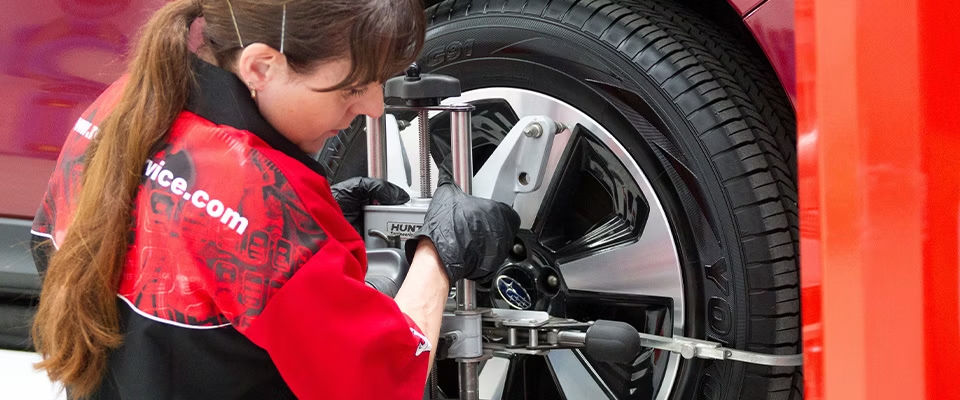
Your car's safety and roadworthiness is dependent on the “safety triangle,” consisting of the vehicle's ‘stopping, steering and stability' capabilities.
Read more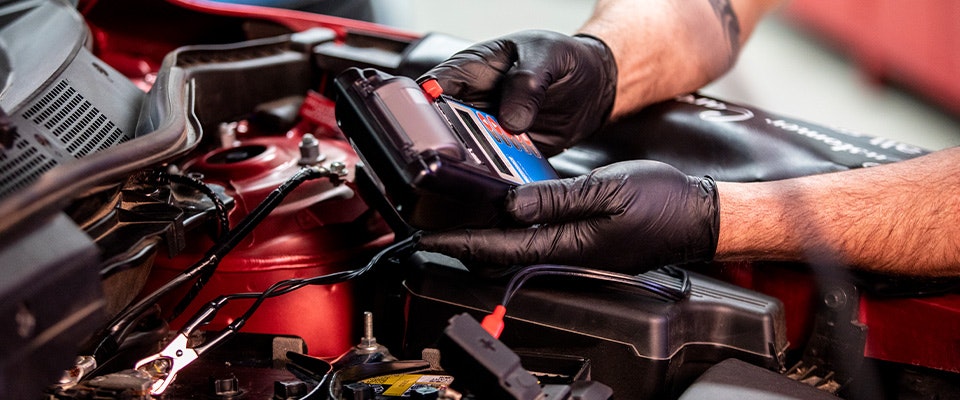
We are here to help you stay safe and legal on the road, so let A1 Precision Automotive take the wheel when it comes to your roadworthy certification needs.
Read more